
From September 2026, allergy safety in English schools stops being optional good practice. Schools covered by the new rules will be expected to follow clear statutory guidance on policy, staff training, Individual Healthcare Plans and spare adrenaline devices.
People often call this Benedict's Law. The legal footing sits in the Children's Wellbeing and Schools Act 2026. The day to day detail is in the Department for Education's statutory guidance, Allergy safety in schools, published on 6 July 2026.
Why it is called Benedict's Law
Benedict Blythe was five when he died in December 2021 after an allergic reaction to milk at school. His parents, Helen and Peter Blythe, set up the Benedict Blythe Foundation and spent years campaigning for binding standards. Charities including Anaphylaxis UK and Allergy UK backed that work.
The point of the campaign was simple. Until now, too much depended on how seriously each school took allergy safety. A Freedom of Information exercise by the Foundation found that many schools lacked basic safeguards, and a large share had no spare adrenaline pens on site.
The DfE guidance also makes a clinical point that every school lead should sit with: around one in five children and young people with allergy have their first allergic reaction while they are in school, college or an early years setting. If your plan only covers pupils with a known diagnosis, you still have a gap.
Who the statutory guidance applies to
This is important, because some online summaries overstate the reach.
The GOV.UK page says the guidance is statutory for:
- governing bodies of local authority maintained schools, including special schools (not LA maintained nursery schools)
- management committees of pupil referral units
- proprietors of academies, including free schools and alternative provision academies (not 16 to 19 academies)
Those bodies must have regard to the guidance when they meet their duties. In plain English, they have to take it seriously and be able to show they have.
Independent schools and non LA maintained special schools are not under the same statutory duty yet. The DfE says it intends to bring them in through the relevant regulatory standards later. Early years settings and further education providers can usefully follow the same good practice, but the Human Medicines rules on buying spare AAIs apply to schools, not early years or FE colleges, in the same way.
What schools need in place
1. A proper allergy safety policy
Do not bury this inside a generic medical conditions policy. DfE expects a dedicated allergy safety policy, a named senior lead, at least an annual review, and publication so staff and parents can find it. Review it sooner after a serious incident or near miss. The DfE has published a policy template.
2. Allergy awareness training for all staff
This is not just for the school nurse or the nominated first aiders. Lunchtime supervisors, caretakers, supply teachers, cover staff and minibus drivers need to know what anaphylaxis looks like and what to do.
Training should cover recognition, emergency response, how to use adrenaline devices, basic risk reduction, and how to report incidents and near misses. New staff need it at induction. Everyone else needs it at least once a year. The Government also plans to put an all staff training duty into forthcoming Regulations. Do not wait for that paperwork before you train people.
3. Spare adrenaline auto-injectors
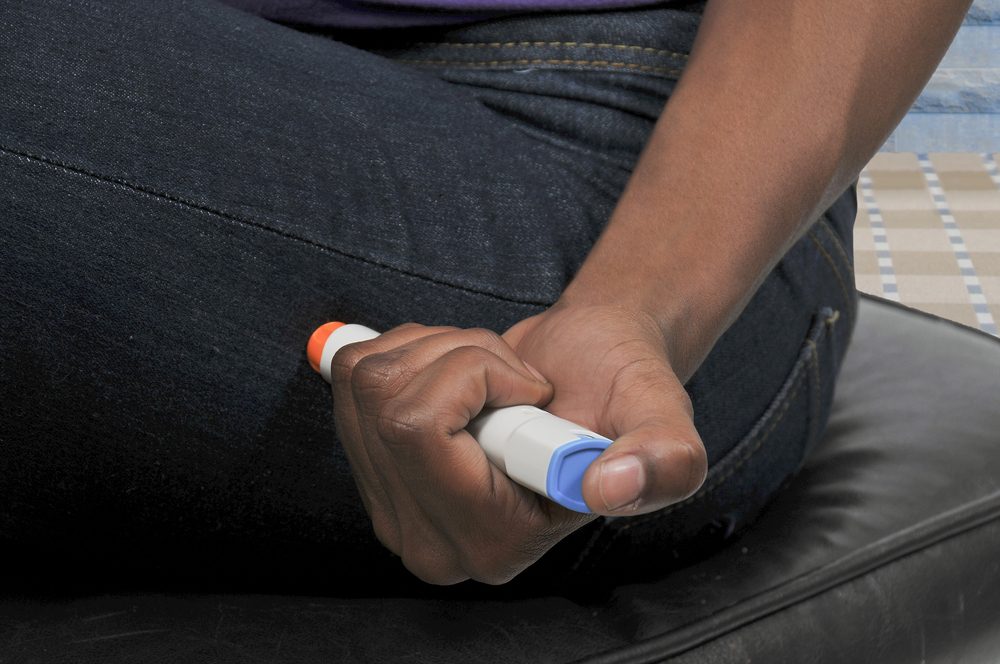
Under the Human Medicines (Amendment) Regulations 2017, schools in England can buy spare AAIs without a prescription for emergency use. Those devices belong to the school. They are not a second set of pens for one named child, and they do not replace a pupil's own prescribed devices. Children at risk should still have access to both of their prescribed devices at school.
Spare AAIs can be used for any child or adult with anaphylaxis on site, including someone with no known allergy. That matters, because first presentations do happen.
DfE practical expectations include:
- stock and store spare AAIs in pairs
- get adrenaline to the person within five minutes
- keep devices easy to reach, not locked away
- label spare kits clearly so nobody confuses them with named prescribed devices
- check expiry dates and replace used or expired stock safely
Bigger sites, or schools split across more than one building, often need more than one pair. At the moment, the spare stocking rules cover AAIs. Newer nasal adrenaline products may be prescribed to individuals, but schools cannot currently stock them as spare devices in the same way.
4. Individual Healthcare Plans
Any pupil who needs specific allergy arrangements should have an Individual Healthcare Plan. Write it with parents or carers and, where you can get it, clinical advice. Include triggers, symptoms, medication and the exact emergency steps. Review it at least annually, and sooner if the clinical picture changes or something goes wrong. The DfE publishes an IHP template.
What to do before September 2026
- Audit medical records and confirm who needs an up to date IHP
- Draft, approve and publish the standalone allergy safety policy
- Decide how many spare AAI pairs you need, which doses, and where they live
- Book whole staff training, including lunchtime, site and supply staff
- Practise the response so help goes to the child. Do not send a child with suspected anaphylaxis walking alone to the office
- Put expiry checks and near miss reviews on a recurring calendar
Where first aid training fits
Standard paediatric first aid already covers anaphylaxis for designated first aiders. Benedict's Law changes the scale. The person nearest the child in the dining hall or playground may not be the trained first aider, so whole staff awareness has to sit alongside your first aid provision.
At HealthCore we run nurse led school allergy and anaphylaxis sessions covering recognition, AAI practice and emergency sequencing, including our Benedict's Law training for schools. Use the official DfE templates too, and the free policy and IHP resources from Anaphylaxis UK where they help.
Sources
- DfE: Allergy safety in schools
- Children's Wellbeing and Schools Act 2026, section 34
- Anaphylaxis UK on Benedict's Law
- Benedict Blythe Foundation
- Human Medicines (Amendment) Regulations 2017