


This was a most enjoyable study day. Pitched perfectly to all attendees.
Available dates in Nottingham
Can't make these?
Tell me about new dates
You’re on the list
Flexible dates
We come to you
Your Nottingham venue / on-site
Ideal for companies, schools or clubs
£689 per group
Don't just take our word for it
Phlebotomy and Cannulation course outline
During your 7-hour Phlebotomy and Cannulation session in Nottingham, our nurse-led tutors will cover:
Anatomy and physiology of veins, including site selection for optimal venepuncture and cannulation access.
Infection prevention and control standards, with hand hygiene, PPE, and aseptic non-touch technique (ANTT).
Phlebotomy (venepuncture) procedure step-by-step: equipment preparation, patient preparation, phlebotomy skill, and labelling.
Cannulation skills: vein selection, catheter insertion, securing devices, and flushing.
Recognising and managing complications like haematomas, infiltration, phlebitis, and extravasation.
Documentation, consent, and legal responsibilities, including patient safety checklists and incident reporting.
Troubleshooting common challenges, such as difficult veins, and patient anxiety.
Hands-on supervised practice with simulation arms, building confidence for real-world clinical application.
Our training hubs in Nottingham
We use venues just outside Nottingham city centre to keep course costs down, make parking easier and take some of the stress out of getting there.

Where we teach
We use venues around Beeston, West Bridgford, Hucknall and Kimberley. Learners also join us from Mansfield, Newark, Long Eaton and across Nottinghamshire.
Getting there
The M1, A52 and A610 make most venues easy to reach. We look for free or low-cost parking and good bus or NET tram links.
Frequently asked questions
Why use HealthCore?
Training should be friendly, confidence-building, and practical.
Our sessions are hands-on, scenario-based, and taught in plain English. We prioritize practice over slides, using industry-leading simulation equipment (from Laerdal and Practiman) to ensure realism.
We keep the atmosphere relaxed and supportive, ensuring every candidate leaves feeling ready to act when it counts.
As a nurse-led provider based in the East Midlands, we set a higher standard for safety training.
Your course will be delivered exclusively by Registered Healthcare Professionals with current NHS clinical experience. We bridge the gap between theory and reality, giving you the confidence that comes from learning from those who save lives for a living.
Don't settle for tick-box training when lives depend on it.
When will I get the exact venue address for my Nottingham course?
We show as much as we can on the listing itself, for example Nottingham (Hucknall) or Nottingham (Beeston), so you know roughly where you are heading when you book. The full street address, room notes and arrival instructions follow by email about two weeks before your Phlebotomy and Cannulation date, once the venue for that group is confirmed.
Who can attend our Phlebotomy (venepuncture) and Cannulation in Nottingham?
This workshop is designed for current and aspiring clinical staff working in healthcare settings, such as Student Nurses, Medical Students, Registered Nurses, Healthcare Assistants (NHS Band 2+), Paramedics and Doctors, who require initial training or a competency refresh as part of their role.
You’ll gain the most value from the day if you already work, or plan to work, in a clinical environment where venepuncture and/or cannulation is part of your role. Motivated beginners intending to enter clinical roles are also welcome and will receive close support and supervision during all practical sessions.
Is this course suitable for aesthetic practitioners?
This course teaches venepuncture and cannulation skills. It can support practice in a medically led aesthetics service that already has clinical governance, prescribing oversight, and appropriate registration in place. On its own, it is not a complete pathway for offering blood tests or IV therapies. You can read about the complexities of IV therapy for aesthetic practitioners.
Will I gain real hands-on experience in Phlebotomy (venepuncture) and Cannulation?
You will be given the opportunity to develop your skills using a variety of equipment and techniques on high-fidelity training models and manikins. As phlebotomy (venepuncture) and cannulation are invasive procedures with associated clinical risks (such as; infection, nerve damage or arterial puncture, and needlestick injuries), live practice on other candidates is not permitted.
Does this course enable me to practice independently?
This course provides training and education in venepuncture and cannulation, but we do not assess or sign off your final clinical competency. Our certificate confirms attendance and simulated practice only. Final competence and authorisation to practice on patients or clients must be assessed, supervised, and signed off within your own workplace or clinical setting, according to local policies, governance, and insurer/regulatory requirements.
Does this course provide formal CPD hours for professional revalidation?
Yes. Upon successful completion, all delegates are awarded a certificate for 7 hours of verifiable CPD (Continuing Professional Development). This serves as evidence for professional revalidation with the NMC, HCPC, or other regulatory bodies.
How is the course formatted?
You will receive a pre-course workbook approximately 14 days before the course - this is designed to give you a solid foundation in anatomy and physiology before attending. The training day itself consists of 50% theory and 50% practical, hand-on simulation training.See the example workbook.
Is the training aligned with national clinical standards and frameworks?
Absolutely. Our curriculum is developed to align with the Skills for Health Clinical Skills Framework, NICE guideline and national NHS standards. We place a heavy emphasis on Aseptic Non-Touch Technique (ANTT) and evidence-based practice to ensure patient safety.
Do you offer on-site group training for Nottingham GP surgeries or care homes?
Yes. We provide private, on-site clinical skills training for GP networks, nursing homes, and private clinics across Nottingham. This allows teams to meet their competency requirements together in their own clinical environment.
Other courses we offer in Nottingham
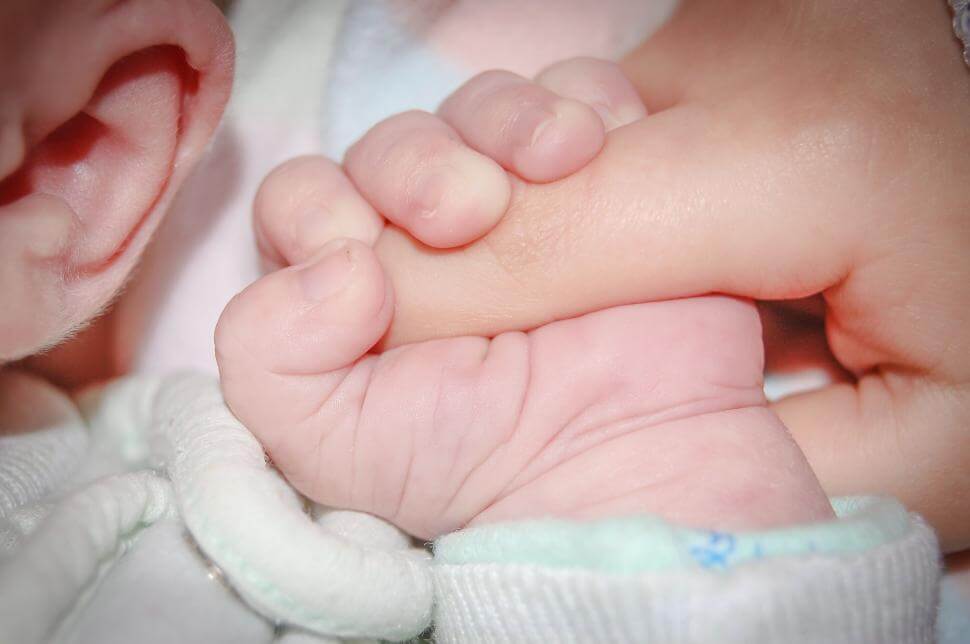 TinyHearts Baby & Child First Aid
Nurse-led TinyHearts training for parents, grandparents and carers. Practise baby and child CPR plus everyday first aid for bumps, bruises, bleeding, burns and breaks, with newborns welcome where needed.
TinyHearts Baby & Child First Aid
Nurse-led TinyHearts training for parents, grandparents and carers. Practise baby and child CPR plus everyday first aid for bumps, bruises, bleeding, burns and breaks, with newborns welcome where needed.
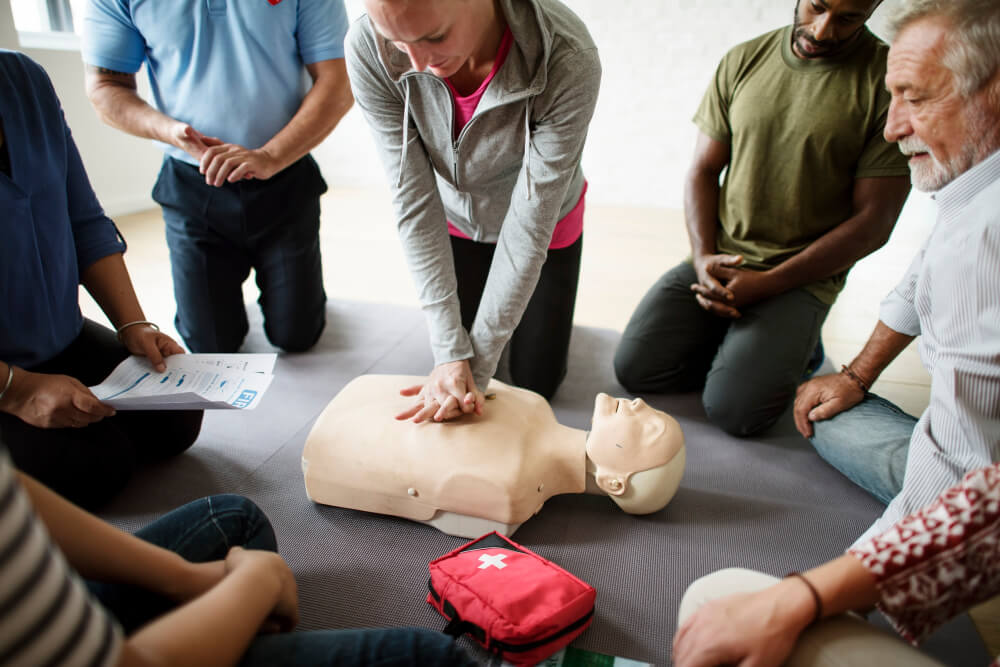 Basic Life Support
Accredited, nurse-led Adult and Paediatric BLS course covering CPR, AED use, anaphylaxis and choking. Designed for beginners and learners who need practical confidence for work or clinical roles.
Basic Life Support
Accredited, nurse-led Adult and Paediatric BLS course covering CPR, AED use, anaphylaxis and choking. Designed for beginners and learners who need practical confidence for work or clinical roles.
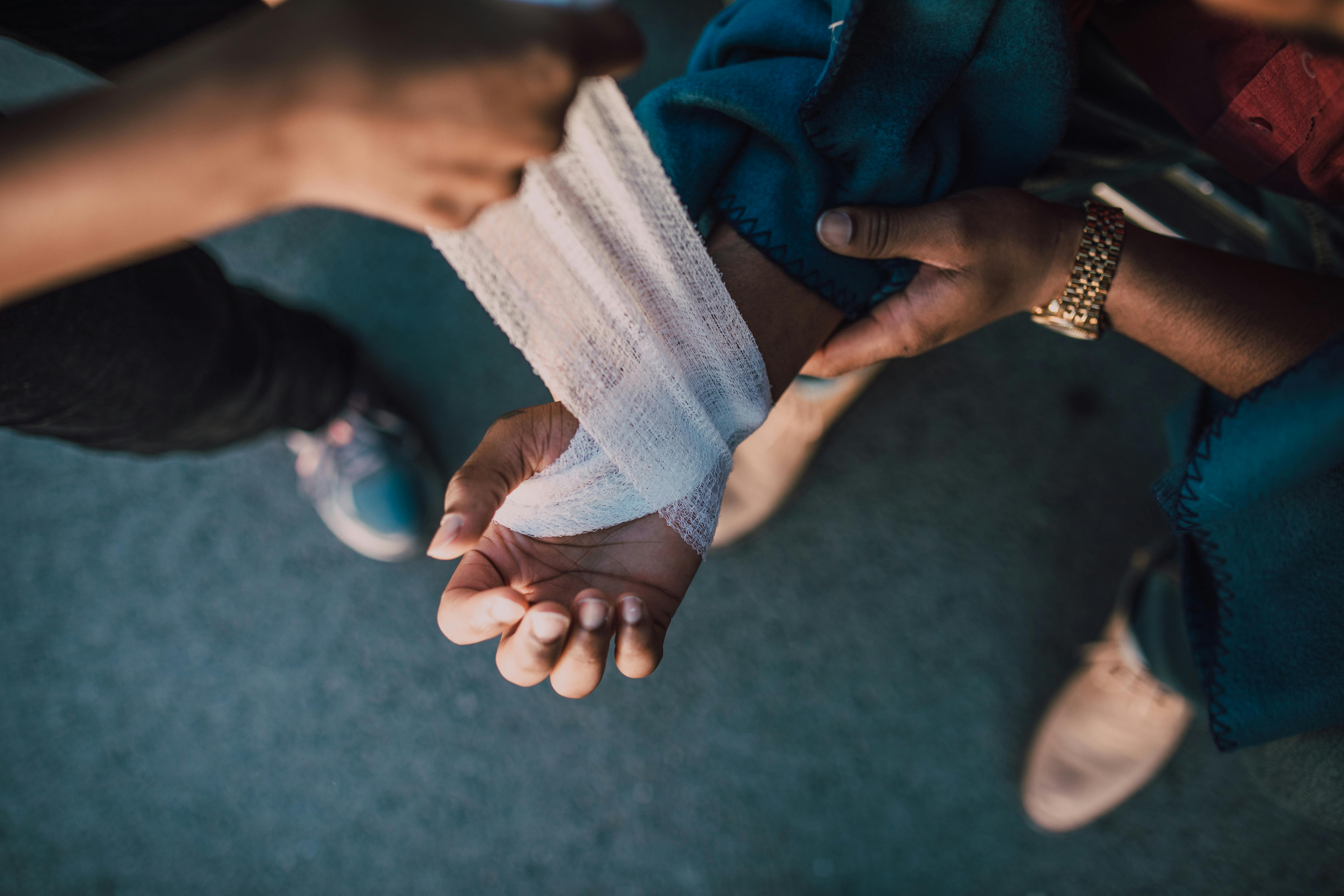 Emergency First Aid at Work
One-day HSE-compliant Emergency First Aid at Work for nominated workplace first aiders. Learn CPR, AED use and how to manage common injuries and emergencies, with blended eLearning plus practical classroom teaching.
Emergency First Aid at Work
One-day HSE-compliant Emergency First Aid at Work for nominated workplace first aiders. Learn CPR, AED use and how to manage common injuries and emergencies, with blended eLearning plus practical classroom teaching.
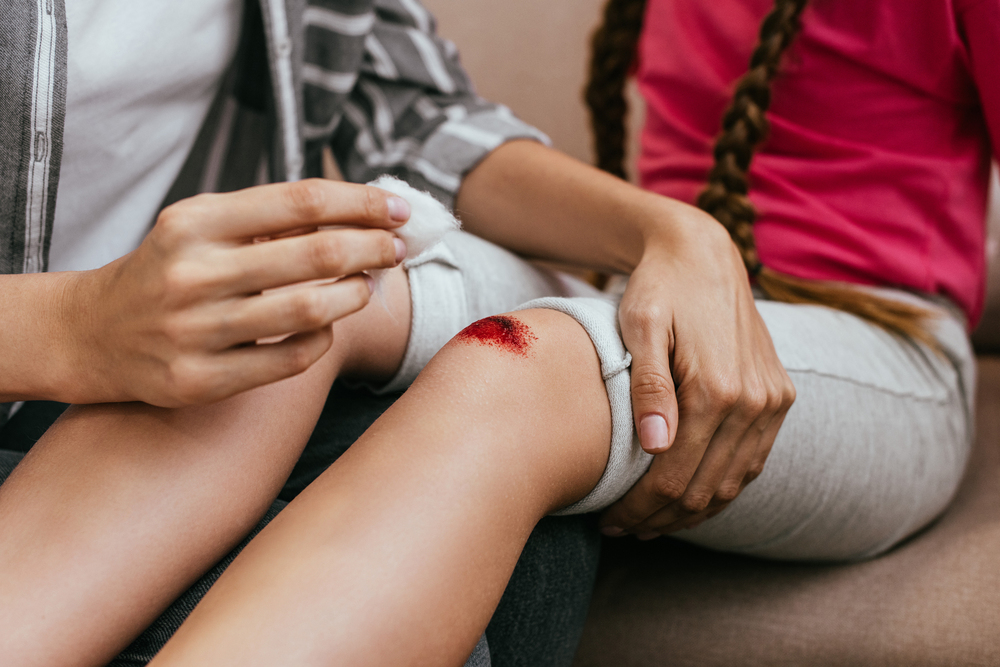 Paediatric First Aid
Accredited one-day Paediatric First Aid for childcare professionals. Cover baby and child CPR, choking, meningitis, fractures and allergies, with blended eLearning and hands-on practice that supports Ofsted and EYFS expectations.
Paediatric First Aid
Accredited one-day Paediatric First Aid for childcare professionals. Cover baby and child CPR, choking, meningitis, fractures and allergies, with blended eLearning and hands-on practice that supports Ofsted and EYFS expectations.
Related articles
Read articles
Can I Offer IV Drips in My Aesthetics Clinic?
Aesthetic Practitioners often ask; "If I complete your phlebotomy and cannulation training, can I start offering IV vitamin drips in my clinic?".
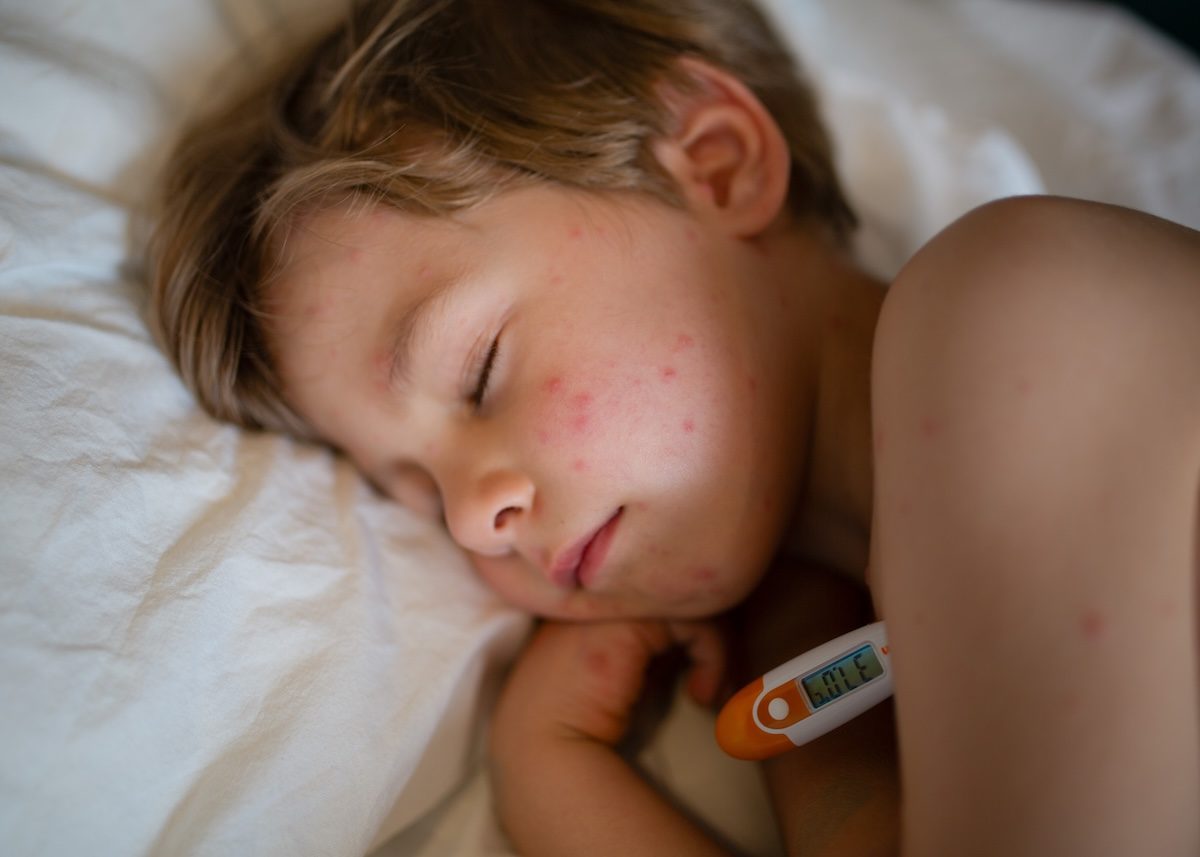
What does Sepsis look like in Children?
How to spot sepsis in a baby or child, when to call 999, and why you should never wait for a rash before getting help.

How to Teach Your Child to Call 999
What children get stuck on when they try to call 999, how to practise without ringing the real number, and when a Teddy Bear or Mini Medics session is worth it.