
Most childhood bugs stay ordinary. A fever, a snotty nose, a clingy evening on the sofa. Then they get better.
Sepsis is the one that keeps parents up at night, and for good reason. It is what happens when the body goes into overdrive fighting an infection, and that reaction starts to harm the child. It can move quickly, but you cannot catch it from another person. The NHS says if you think it might be sepsis, get help straight away.
The UK Sepsis Trust says around 25,000 children in the UK are admitted to hospital with sepsis every year. Most survive, especially when it is caught early.
You know your child. If they seem much more unwell than you would expect, or they are getting worse, that is enough to ask: "Could this be sepsis?"
It often starts as something ordinary
A chesty cough, a tummy bug, a water infection, even a cut that looks a bit angry. In most cases, these get better.
Sepsis is a life-threatening medical emergency caused by the body's extreme response to an infection. When sepsis occurs, the immune system overreacts, triggering widespread inflammation that can lead to tissue damage, organ failure, and if persistantly untreated sometimes death.
Is there a test for sepsis?
Most children with a fever will not develop sepsis but there is no single sign or test. Because of this it is sometimes missed by healthcare professionals. The Sepsis Trust encourage parents to ask; "Could this be sepsis?".
Babies under one, and children who already have health problems, are more at risk but fit, healthy children can still get it.
When to call 999
If a baby or child has any of these, call 999 or go to A&E. One is enough. The same red flags apply to older children. Trust the feeling that this is not their usual poorly self.
- They are breathing very fast, or it looks like hard work. Some babies grunt. You might see the tummy sucking in under the ribs.
- They have a fit.
- Their skin, lips or tongue look blue, grey, pale or blotchy. On black or brown skin, check the palms, the soles of the feet, or the inside of the forearms.
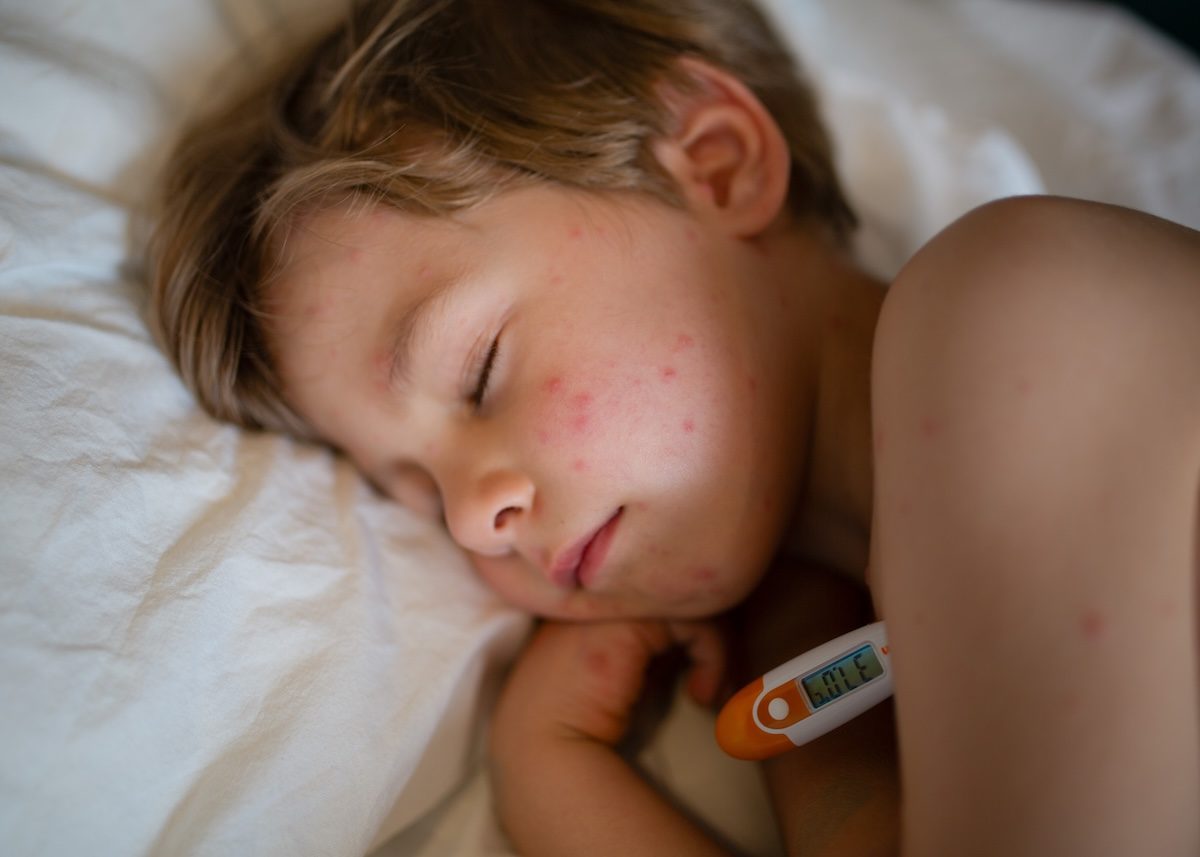
- They have a rash that does not fade when you press it or roll a glass over it.
- A baby under three months has a temperature of 38C or more, or a baby aged three to six months at 39C or more.
- They feel cold to touch, are shivery, or their temperature is under 36C. A child can be seriously unwell without a high fever.
- Their cry is weak, high-pitched or will not stop, and it is not their usual cry.
- They are not themselves: not feeding, hard to wake, or much sleepier than usual.
- No wet nappy or wee for 12 hours.
- You are simply worried it could be sepsis.
A thermometer helps, but do not hang everything on the number, especally if you are already administerting anti-pyrexic drugs like Calpol (Paracetamol).
If it does not feel like an emergency but you are unsure, call 111. If they look seriously ill, skip the queue and call 999.
What is the treatment for sepsis?
Sepsis requires intravenous (IV) antibiotics administered in hospital.
If your has child already been seen
Being sent home with "it's a virus" does not mean you were wrong to worry. Things can still change.
If they get worse, or they seem sicker than you would expect even if the fever comes down, go back. Tell them what is different. Ask for a second opinion.
It is always good practice to end your consultation with; "When should I be worried?" or "When should I come back?".
How TinyHearts helps
The hard part is not reading a list. It is recognising it in your own child at two in the morning, and knowing what to do if they collapse.
That is what TinyHearts is for. It is a two hour, nurse-led session for parents, grandparents and carers. We practise baby and child CPR, choking, everyday injuries, and what to do when a child is seriously unwell.
You can also test your knowldge reight now, take our free first aid for parents quiz.
If your child is unwell right now, do not book a course. Get medical help.